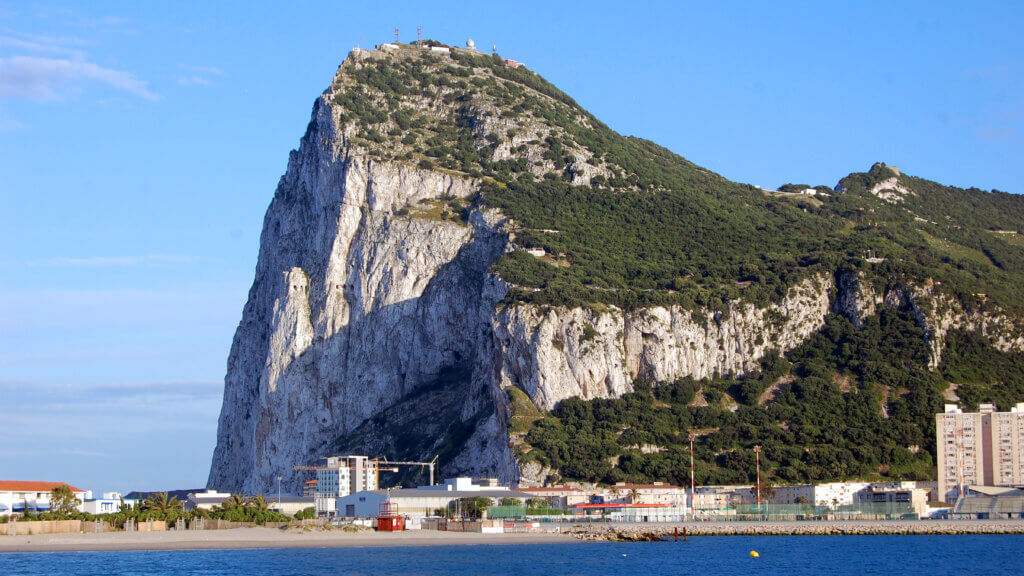


In this post I want to take a closer look at something that is often overlooked when discussing Gibraltar:
Its nickname — “The Rock.”
More specifically, “The Rock of Gibraltar.”
At first, this nickname seems straightforward. But when examined more closely, it may actually be another example of reality residue.
Why Is Gibraltar Called “The Rock”?
The Rock of Gibraltar is a massive limestone formation that dominates the landscape. Rising sharply above sea level, it has served as a natural fortress for centuries and has played a major role in Gibraltar’s military and strategic importance.
Because of its imposing presence, it became commonly known as “The Rock.”
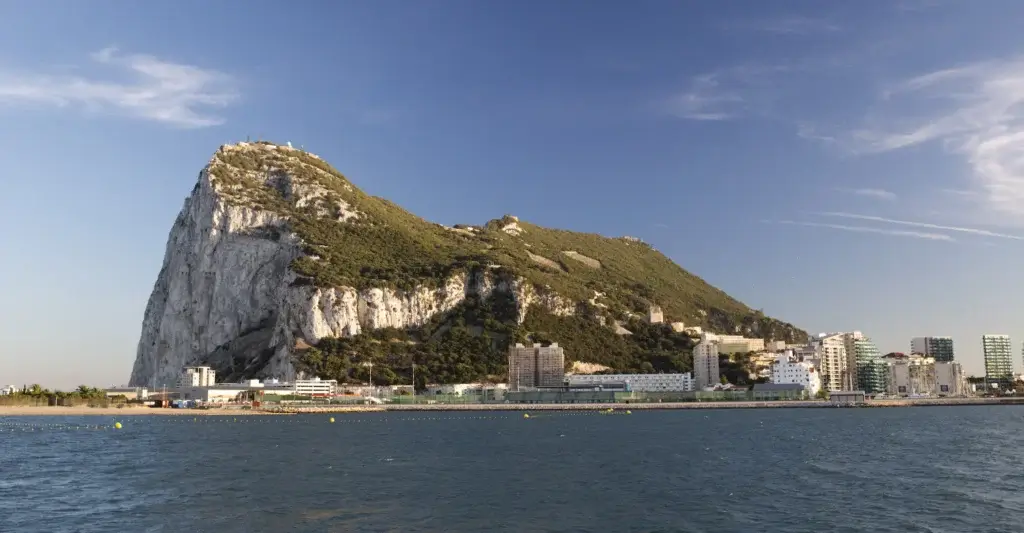
This nickname emphasizes the physical prominence of the formation — a single, solid mass of stone that stands out dramatically from its surroundings.
Not the Only “Rock”: Alcatraz
Gibraltar isn’t the only place to carry this nickname.
Alcatraz Island in California is also famously known as “The Rock.”
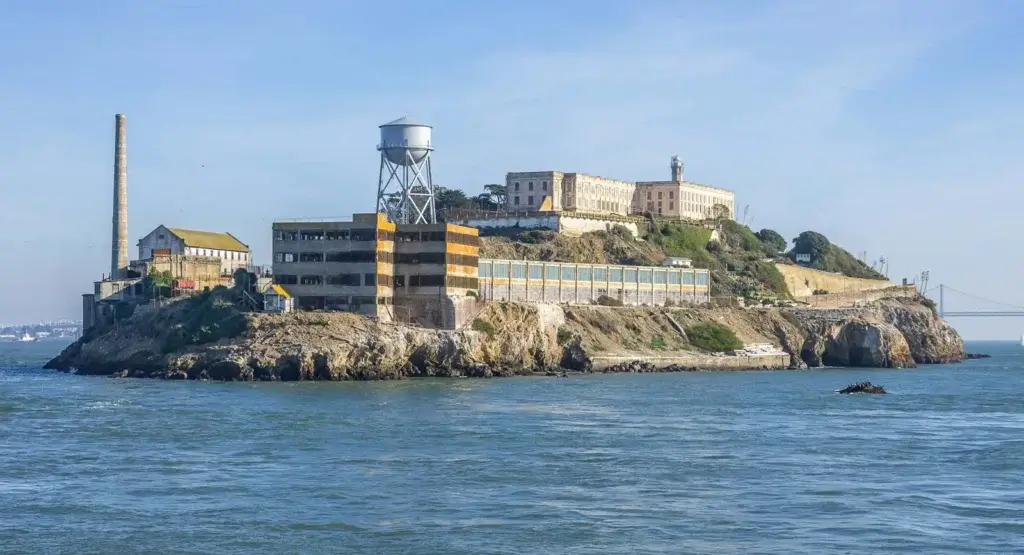
Alcatraz earned this nickname because:
- It is a rocky island
- It is completely surrounded by water
- It was historically isolated and difficult to escape from
The nickname fits naturally — a solid rock rising out of the water, cut off from the mainland.
The Island Connection
This is where things get interesting.
When people refer to Gibraltar as “The Rock,” the imagery it creates is very similar to that of Alcatraz:
- A standalone mass
- Surrounded by water
- Isolated and distinct from surrounding land
That imagery aligns far more closely with an island than with a peninsula connected to a larger landmass.
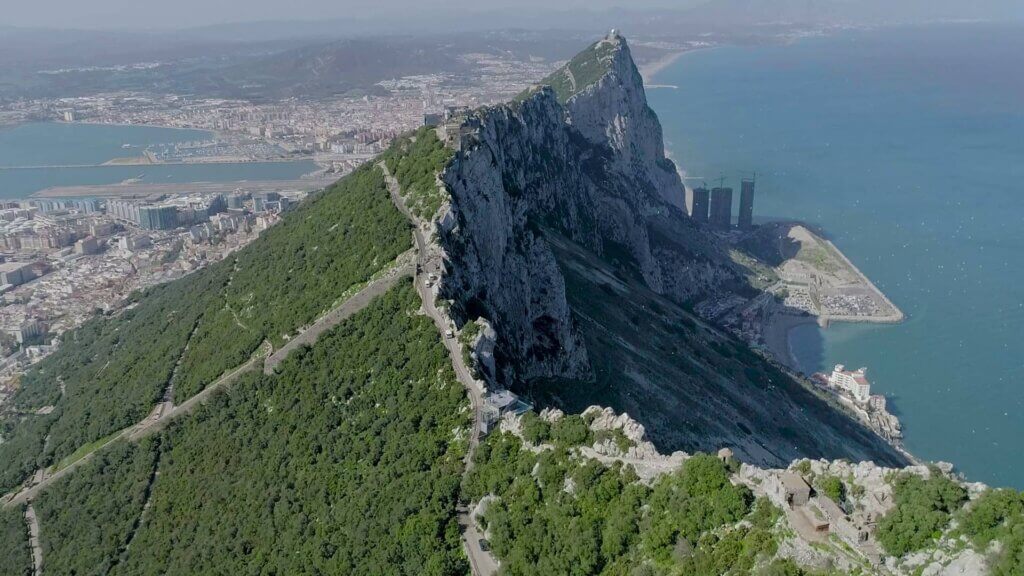
If Gibraltar has always been a peninsula attached to Spain, then why has it been so consistently described in a way that evokes isolation and separation?
A Name That Suggests More
Nicknames don’t come from nowhere. They are shaped by how people perceive and experience a place.
In the case of Gibraltar, the name “The Rock” may be doing more than just describing its geology.
It may be preserving a memory — a way Gibraltar once appeared.
A rock standing alone, surrounded by water.
Reality Residue in Plain Sight
From this perspective, the nickname itself can be seen as a form of reality residue.
Not a mistake.
Not a coincidence.
But a lingering description from a version of Gibraltar that many remember:
- An island
- Standing in the middle of the Straits (plural) of Gibraltar
- Completely surrounded by water
The same way Alcatraz is described.
The same way a true rock in the sea would be described.
Final Thought
Sometimes the clues aren’t hidden in obscure documents or old maps.
Sometimes they’re right in front of us — in the names we’ve used all along.
“The Rock of Gibraltar.”
A name that, when looked at closely, may be describing something more than what exists at the moment.